





Approximately 14.5% of Texas drivers operate without insurance—or roughly one in seven vehicles on Richardson roads. This rate translates to hundreds of millions in annual costs shifted to insured Texas motorists through uninsured motorist claim surcharges and unpaid medical bills. Richardson drivers encounter uninsured motorists daily on US-75, Belt Line Road, and throughout Collin County.
When accidents occur, insured victims face limited recovery options unless they have purchased uninsured motorist coverage. Richardson car accidents—uninsured driver cases often leave victims struggling with out-of-pocket expenses and lengthy insurance disputes. Understanding these statistics, why Texas rates remain elevated, and your legal options after uninsured driver accidents helps you to protect your financial recovery.
Key Takeaways for Texas Uninsured Driver Statistics
- 14.5% of Texas drivers operate without insurance—making uninsured driver accidents a daily reality rather than a rare occurrence.
- Texas is ranked 19th in states with the most uninsured drivers, despite legal requirements.
- Uninsured drivers cost insured Texans hundreds of millions annually through premium surcharges, unpaid medical bills, property damage, and economic losses.
- Richardson drivers face significant daily exposure to uninsured vehicles on high-traffic corridors like US-75, CityLine, and Belt Line Road.
- Lifetime probability of encountering an uninsured driver in an accident remains substantial for drivers with decades-long driving careers in high-traffic areas like Richardson.
The Shocking Reality: Texas Uninsured Driver Statistics
Recent analysis shows Texas maintains a 14.5% uninsured motorist rate. This percentage translates to millions of uninsured vehicles operating on Texas roads.
Only a handful of large states maintain higher uninsured driver rates. This places Texas among the worst performers for insurance compliance despite Texas Transportation Code Section 601.051 requiring all drivers to maintain liability coverage.
What 14.5% Means for Richardson Drivers
Richardson straddles Dallas and Collin Counties along the US-75 corridor. According to Texas Department of Transportation traffic data, this major commuter route carries significant daily vehicle volume through Richardson. At a 14.5% uninsured rate, Richardson drivers share the road with considerable numbers of uninsured vehicles daily.
On a typical 30-minute commute where you pass approximately 1,000 vehicles, roughly 145 could be uninsured at a 14.5% rate—an illustration of the everyday exposure. Belt Line Road, Campbell Road intersections, and the CityLine district create additional exposure where uninsured drivers concentrate.
Available county-level estimates suggest Collin County generally maintains slightly lower uninsured rates than Dallas County due to higher median incomes and better insurance compliance. However, Richardson’s position straddling both counties means residents face mixed exposure levels depending on their routes and destinations. A regular car accident lawyer can help drivers in these areas understand their coverage gaps and pursue compensation after uninsured motorist collisions.
The Annual Burden on Insured Texans
Uninsured drivers create massive financial burdens that insured motorists ultimately absorb. Premium surcharges represent the largest component. Insurance companies increase premiums for all policyholders to fund uninsured motorist coverage pools and offset losses from uninsured driver accidents.
Unpaid medical bills shift costs to health insurance carriers and patients. When uninsured drivers cause accidents, victims with inadequate uninsured motorist coverage face medical expenses that their health insurance must cover. Health insurers assert subrogation and reimbursement rights—including ERISA-governed employer plans—requiring repayment from any settlements. Attorneys can often negotiate reductions in these liens, as well as hospital liens under Texas Property Code Section 55, to preserve more compensation for victims. Health insurers then increase premiums across all policyholders to offset these losses. Victims without health insurance might face personal bankruptcy from unpaid bills.
Property damage costs burden insured drivers without comprehensive collision coverage. Victims might pay thousands for vehicle repairs when uninsured drivers cause accidents and possess no assets worth pursuing through lawsuits.
Lost wages during recovery receive no compensation when victims lack uninsured motorist coverage and cannot collect from judgment-proof uninsured drivers. Personal injury protection or medical payments coverage might help pay immediate medical bills and lost wages regardless of fault, providing relief even when UM claims remain under investigation. Check your policy declarations to determine whether you carry PIP or MedPay coverage.
Public costs such as emergency services and court system expenses also contribute to the overall economic burden.
Why Texas Maintains High Uninsured Driver Rates
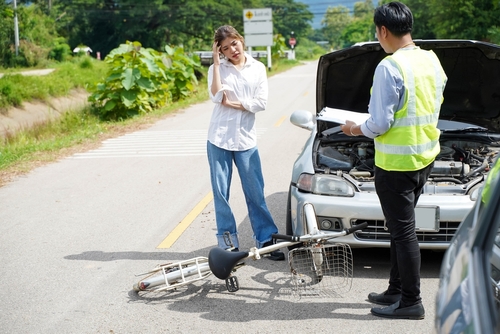
Several factors combine to keep Texas uninsured rates elevated despite legal requirements mandating coverage.
Rising Insurance Costs
Texas ranks among the most expensive states for auto insurance. Average annual premiums create financial burdens that low-income drivers struggle to maintain. What you need to know is that when families face choices between essential expenses and insurance premiums, coverage often lapses, increasing the number of uninsured motorists on the road.
Insurance costs rise particularly sharply for drivers with violations, accidents, or poor credit. These higher-risk drivers face substantially elevated premiums. Many simply cannot afford coverage at these rates and gamble on driving uninsured.
Limited Proactive Verification
Compliance is enforced mainly through crash investigations and traffic stops. Outside those touchpoints, proactive verification is limited, so lapses often aren’t detected until an incident. Texas Department of Public Safety resources focus on broader public safety priorities rather than dedicated insurance verification checkpoints.
Coverage Lapses After Registration
Some drivers purchase coverage to register a vehicle, then allow it to lapse; without routine verification, lapses may go undetected until a stop or crash. The registration remains valid while the driver operates uninsured, avoiding detection until accidents occur or police stop them for other violations.
Economic and Demographic Factors
Texas maintains a large population living paycheck-to-paycheck. Economic pressures push insurance down the priority list behind immediate survival needs. Additionally, new residents from countries without mandatory insurance requirements may be unfamiliar with U.S. insurance laws and compliance obligations.
Geographic size makes enforcement challenging. Texas’s vast road network and dispersed population require enormous law enforcement resources to achieve meaningful compliance improvements.
Your Risk of Being Hit by an Uninsured Driver
At a 14.5% uninsured rate, Richardson drivers face meaningful lifetime risk of involvement in accidents with uninsured motorists. You need a lawyer after these incidents because insurance disputes often arise when determining compensation sources. Exact lifetime probability depends on mileage, routes, and years driven. Drivers with decades-long driving careers averaging significant annual mileage in Richardson will encounter millions of vehicles over their lifetimes, creating material probability of at least one uninsured driver accident.
This risk increases for drivers who:
- Commute on high-traffic routes like US-75 daily
- Drive during peak hours when accident rates climb
- Operate in entertainment districts like CityLine on evenings and weekends
- Have teenage drivers in their households (less experience, higher accident rates)
The 14.5% statistic actually understates true collision risk because uninsured drivers often exhibit other risky behaviors. Drivers who disregard insurance requirements frequently also speed, drive distracted, operate with suspended licenses, or drive while intoxicated. These factors make uninsured drivers disproportionately likely to cause accidents compared to insured, law-abiding drivers.
Three Legal Options When You’ve Been Hit by an Uninsured Driver in Richardson
Discovering the at-fault driver carries no insurance creates immediate panic. However, Texas law provides three potential compensation paths.
Option 1: Your Uninsured Motorist Coverage
Uninsured motorist coverage through your own policy provides the most reliable compensation when at-fault drivers carry no insurance. Texas Insurance Code Section 1952.101 requires insurers to offer UM coverage equal to your liability limits, though you might have rejected it in writing.
UM coverage pays medical expenses, lost wages, pain and suffering, and other damages up to your policy limits. If you carry $100,000 in UM coverage, your insurer pays damages up to that amount regardless of the uninsured driver’s financial status.
UM benefits typically become payable after liability and damages are established through judgment, agreement, or carrier concession, and many policies require consent to settle the liability claim. Check your contract for these requirements.
However, your own insurance company doesn’t automatically pay UM claims. Insurers stand in the shoes of the at-fault tortfeasor, contesting liability, causation, and damages. You must establish the other driver’s fault and prove your damages before your UM carrier owes benefits.
Your insurer might use comparative fault arguments claiming you bear partial responsibility. Texas’s modified comparative fault system under Civil Practice and Remedies Code Section 33.001 reduces compensation by your percentage of fault. Fault exceeding 50% bars recovery entirely.
For hit-and-run claims, many Texas UM policies require physical contact or independent corroboration; policy terms control what evidence you must provide. Report promptly and preserve any independent witness or camera evidence; delays can complicate UM claims.
Option 2: Sue the Uninsured Driver Personally
When you lack UM coverage or when damages exceed policy limits, lawsuits against uninsured drivers become necessary. Texas law allows victims to pursue judgments for full damages without insurance policy caps.
The fundamental challenge involves collectibility. Most uninsured drivers lack assets worth pursuing. Personal injury settlements are calculated based on available coverage, damages, and collectibility, which becomes a major issue in these cases. They don’t carry insurance precisely because they cannot afford premiums. Even with judgments, Texas law makes collection difficult. No wage garnishment exists for ordinary tort judgments. Homestead protection shields primary residences. Generous personal property exemptions limit seizure options.
Realistic collection tools include bank account garnishment, liens on non-homestead real property, and levy on non-exempt assets—if any exist. Many uninsured drivers file bankruptcy, eliminating judgment obligations.
Asset investigation determines whether lawsuits justify costs. Young defendants entering careers might develop attachable assets years after judgments, but most remain judgment-proof indefinitely.
Option 3: Alternative Liability Sources
Some uninsured driver accidents involve additional parties who might bear legal responsibility. Employer vicarious liability applies when drivers operate within the scope of employment. Dram shop claims target establishments that overserve obviously intoxicated drivers under Texas Alcoholic Beverage Code Chapter 2. Negligent entrustment applies when vehicle owners knowingly loan cars to incompetent drivers.
These theories require proving specific legal elements and remain fact-intensive. Success depends on the accident circumstances and available evidence.
The Devastating Cost of Not Having UM Coverage
Given 14.5% uninsured rates and meaningful lifetime accident probability, operating without UM coverage creates enormous financial risk.
Without UM coverage, victims face:
- Medical bill collection actions and credit damage
- Aggressive collections, including bank levies where permitted
- Hospital and health plan liens
- Bankruptcy filing to discharge medical debt in severe cases
- Years of financial recovery even after physical healing
What Richardson Drivers Should Do Today
Understanding that one in seven Texas drivers operates without insurance should motivate immediate action.
Check your insurance policy declarations page today. Verify you have uninsured motorist coverage and review your limits. If you carry $30,000 liability coverage but rejected UM coverage years ago, you’re vulnerable.
Consider increasing UM limits to match or exceed your liability coverage. The marginal cost for higher limits remains modest compared to the financial protection gained.
Review your underinsured motorist coverage simultaneously. UIM protects you when at-fault drivers carry insufficient insurance for your damages. Texas’s minimum requirements of $30,000 per person prove grossly inadequate for serious injuries.
Discuss stacking with your insurance agent if you insure multiple vehicles. Mistakes to avoid after an uninsured driver accident include assuming your policy limits are fixed. Some policies allow combining UM coverage across vehicles, potentially increasing available compensation.
Document all accidents thoroughly immediately after collisions. Photograph damage, obtain witness information, and request police reports. These records become critical when pursuing compensation from your own UM coverage or uninsured drivers personally.
Contact experienced attorneys if uninsured drivers hit you. Richardson uninsured driver cases require understanding both UM coverage litigation and asset investigation strategies.
FAQ for Texas Uninsured Driver Statistics
Why Doesn’t Texas Require All Drivers to Have Insurance?
Texas does require all drivers to maintain liability insurance under Texas Transportation Code Section 601.051. However, enforcement proves challenging. Without routine proactive verification mechanisms, many drivers operate uninsured until accidents occur or police stop them for other violations. Financial responsibility laws exist but prove difficult to enforce proactively across Texas’s vast road network.
Is the Uninsured Driver Problem Getting Better or Worse in Texas?
Texas uninsured rates have remained relatively stable between 13-15% over the past decade without meaningful improvement. While some years show slight decreases, the overall trend demonstrates persistent problems. Without policy changes addressing insurance costs and enforcement mechanisms, significant improvement seems unlikely.
What Percentage of Richardson Drivers Specifically Are Uninsured?
Richardson-specific data isn’t publicly reported separately. However, available county-level estimates suggest Collin County generally maintains slightly lower uninsured rates than Dallas County due to higher median incomes and better insurance compliance. Richardson’s position straddling both counties suggests rates near but potentially slightly below the 14.5% state average, still representing considerable numbers of uninsured vehicles among Richardson’s registered vehicles.
What Happens to Uninsured Drivers When They’re Caught?
Texas law under Transportation Code Section 601.191 imposes penalties for driving without insurance including fines subject to judicial discretion, typically ranging from $175-350 for first offenses and $350-1,000 for subsequent offenses. License and vehicle registration suspension occurs until drivers demonstrate financial responsibility. However, many uninsured drivers continue operating with suspended licenses because economic circumstances that prevented insurance purchase also make them judgment-proof against fines. Collection rates for these penalties remain low, reducing their deterrent effect.
Contact AMS Law Group for Richardson Uninsured Driver Accidents
The alarming reality that one in seven Texas drivers operates without insurance means Richardson residents face constant exposure to uninsured motorist accidents. You need attorneys who understand both UM coverage litigation and asset investigation strategies to pursue maximum compensation.
AMS Law Group has handled uninsured driver cases throughout Richardson, Dallas County, and Collin County. We review policies to verify UM coverage, fight insurance companies that scrutinize and dispute valid claims, and investigate uninsured drivers’ assets to assess judgment collectibility. We challenge comparative fault arguments, recognize bad faith tactics, and negotiate reductions in health insurance liens, ERISA reimbursement claims, and hospital liens under Texas Property Code Section 55 to preserve more compensation for you. We understand Dallas and Collin County court procedures.
Don’t become part of the annual burden uninsured drivers impose on Texas motorists. Contact AMS Law Group today at (888) 960-8363 for your free consultation. We’ll review your insurance policy to verify you have adequate UM coverage, explain your rights under Texas law, and outline strategies for pursuing maximum compensation after uninsured driver accidents. Our team works on a contingency fee basis—you pay nothing unless we recover compensation for your injuries.
Call now to schedule your free case evaluation. We’re available 24/7 and provide consultations in English, Spanish, and Arabic. With one in seven Texas drivers uninsured, the question isn’t if you’ll encounter an uninsured motorist—it’s when. Let AMS Law Group protect your financial recovery when that day comes.