





Rideshare accidents differ substantially from traditional car accidents in ways that directly impact your compensation. A Richardson rideshare accident lawyer understands these complexities and how to approach them effectively. An attorney who successfully handles rear-end collisions, intersection accidents, and highway crashes might lack critical experience in app status investigation, multi-layered insurance navigation, and Texas Transportation Code Chapter 2402 regulations. Understanding these differences helps you choose representation that pursues full and fair compensation rather than settling for whatever coverage seems most obvious.
Key Takeaways for Rideshare Accident Legal Representation
- App status determination requires immediate evidence preservation that many auto-claim workflows don’t include, yet this single factor determines whether $50,000 or $1,000,000 in coverage applies.
- Three potential insurance layers exist in rideshare cases—the driver’s personal policy, Transportation Network Company (TNC) contingent coverage, and TNC primary coverage—so coordinating coverage is a task many lawyers who don’t handle TNC cases regularly find unfamiliar.
- Texas Transportation Code Chapter 2402 creates unique regulations for rideshare companies that differ from standard auto accident law, affecting liability theories and coverage requirements.
- Rideshare-specific discovery demands technical precision in subpoenaing app logs, GPS data, and ride history that general discovery requests don’t capture.
- Settlement outcomes frequently improve when rideshare-specific evidence is preserved early—attorneys who routinely handle TNC claims are more likely to surface additional coverage and leverage points than a typical auto-claim approach.
What Makes Rideshare Accidents Different
Traditional car accidents involve straightforward insurance claims. You identify the at-fault driver, file a claim against their insurance policy, negotiate compensation for your injuries, and resolve the case. The legal principles governing liability, negligence, and damages remain consistent across most auto accident scenarios. Can you still sue if the other driver’s insurance company refuses a fair settlement offer? Yes, filing a lawsuit becomes the next step to pursue full compensation, but the process requires evidence, deadlines, and experienced legal representation to protect your claim.
Rideshare accidents introduce complexity that transforms simple claims into multi-party disputes involving technology companies, gig economy regulations, and insurance structures that shift based on app activity. A driver might carry personal insurance, operate under Uber’s contingent coverage, or trigger Uber’s primary million-dollar policy depending on their exact status when the accident occurred.
The driver’s app status at the time of the collision affects everything. An accident occurring when the app is completely off falls under Period 0, invoking only personal insurance. One second after the driver logs in, the same accident would instead trigger Period 1 contingent coverage. If the driver had just accepted a ride request, Period 2’s full $1 million policy applies. These distinctions create coverage differences of $950,000 or more.
App Status Investigation in Richardson
App status investigation is critical and often isn’t part of typical auto-claim workflows. Determining whether a driver was in Period 0, 1, 2, or 3 at accident time requires immediate action, technical knowledge, and aggressive evidence preservation.
Why Immediate Preservation Matters
Driver phones contain app login records, GPS location data, and activity logs showing their exact status at the time of the accident. This evidence disappears quickly. Drivers might delete apps after accidents, fearing deactivation or insurance complications. Phone resets, app updates, or automatic data clearing eliminate critical timestamps. Once this evidence vanishes, proving actual app status becomes significantly harder.
Attorneys who routinely handle TNC claims send preservation letters as early as possible, typically within days of accidents. These letters demand that drivers and rideshare companies retain all electronic records related to the accident. What you need to know is that these letters carry legal weight that prevents data destruction. They identify specific data categories, including login timestamps, logout timestamps, ride acceptance records, GPS coordinates, and in-app communications.
Many auto-claim workflows don’t include this urgency. Standard preservation requests might arrive weeks after accidents. By then, crucial evidence has disappeared. Generic preservation language allows companies to claim they preserved “relevant” records while omitting critical app status details.
Technical Discovery Challenges
Uber and Lyft maintain sophisticated databases that track every aspect of driver activity, and these companies employ legal teams that are experienced in fighting discovery requests. Standard interrogatories and document requests that work in traditional car accidents may prove insufficient for obtaining rideshare data.
Attorneys with significant TNC experience understand rideshare database architecture. They craft subpoenas requesting specific data tables, timestamp formats, and GPS coordinate logs. They know which Uber departments maintain driver activity records. They recognize when companies provide incomplete responses and file motions to compel production of missing data.
Attorneys less familiar with TNC-specific discovery might receive driver login times but not ride acceptance timestamps, or partial GPS data without the precision needed to correlate driver location with the accident scene.
Multi-Layered Insurance Navigation
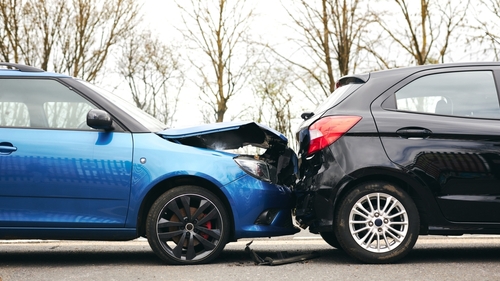
Rideshare accidents potentially involve three distinct insurance layers, each with different coverage limits, trigger conditions, and coordination rules. Navigating these layers requires understanding how they interact, when each becomes primary, and how to pursue all available sources simultaneously.
Layer 1: Driver’s Personal Auto Insurance
Personal policies provide foundation coverage. Texas requires minimum liability coverage of $30,000 per person, $60,000 per accident, and $25,000 property damage under Texas Transportation Code Section 601.072. Many rideshare drivers carry only these minimums. Personal insurance complications arise when carriers discover drivers work for rideshare companies and deny coverage, citing commercial activity exclusions.
Layer 2: TNC Contingent Coverage
During Period 1—when drivers log into apps but haven’t accepted rides—Uber and Lyft provide contingent liability coverage of $50,000 per person, $100,000 per accident, and $25,000 property damage. This contingent coverage typically becomes primary when personal policies deny claims or provide insufficient coverage. Understanding when and how contingent coverage converts to primary coverage requires knowledge of Texas Transportation Code Chapter 2402 provisions.
Layer 3: TNC Primary Coverage
Period 2 and 3—when drivers accept rides through drop-off completion—trigger $1,000,000 primary liability coverage. UM/UIM is often available during active trips, but terms and limits vary by policy and date—verify for your claim. Insurance companies may aggressively dispute Period 2 classification, arguing that accidents occurred during Period 1 to cap liability at $50,000 instead of $1,000,000.
Coordination of Benefits Complexity
When multiple insurance policies might apply, coordination of benefits rules determine which policy pays first, how much each contributes, and whether policies stack or offset. Coverage coordination is unfamiliar to many lawyers who don’t handle TNC cases regularly. You need a lawyer after a rideshare accident who understands these complexities, since a standard workflow might pursue the most obvious coverage source and stop—filing a claim against the driver’s personal insurance, accepting the policy limits, and considering the case resolved.
Attorneys who routinely handle TNC claims file simultaneous claims against all potentially applicable coverage sources. They understand that insurance companies watching each other creates competition for settlement. They recognize when policy language allows stacking multiple coverages.
Texas TNC Regulatory Knowledge
Texas Transportation Code Chapter 2402 establishes specific requirements for transportation network companies operating in the state. These regulations differ from general motor vehicle laws in ways that affect liability theories, insurance requirements, and legal arguments available in rideshare accident cases.
Critical Chapter 2402 provisions attorneys with TNC experience leverage include:
- Minimum insurance by period and independent contractor framework that shape liability theories
- Company duties around driver screening and disclosures that can become discovery targets
- When contingent coverage may respond if personal insurance denies coverage or is insufficient
- Statutory obligations regarding insurance disclosure to drivers
- Regulatory framework distinguishing TNCs from traditional transportation services
These statutory provisions create arguments that are unavailable under general tort law. Understanding these regulatory distinctions means knowing when to pursue negligent hiring claims despite independent contractor status, how to argue coverage triggers based on statutory language rather than policy terms alone, and which discovery requests target company compliance with Chapter 2402 obligations.
CityLine and US-75 Corridor Hotspots

Richardson’s high-traffic rideshare areas create frequent coverage disputes. CityLine’s restaurants, entertainment venues, and office parks generate constant rideshare activity. Drivers frequently log into apps near CityLine hoping to capture ride requests from diners and workers leaving the district. File a personal injury claim promptly if you were injured in one of these accidents, since coverage disputes and app-status investigations often determine how much compensation you can recover. This creates Period 1 accidents where app status becomes disputed.
The US-75 corridor through Richardson sees heavy rideshare traffic moving between Dallas and Plano. Drivers often accept ride requests while navigating highway traffic, creating Period 2 accidents where precise timing of ride acceptance matters significantly. DART station areas represent another hotspot where drivers transition between periods, logging on near transit hubs or completing drop-offs.
Understanding these local patterns helps attorneys with significant rideshare experience recognize when circumstantial evidence suggests a disputed app status deserves investigation despite the driver’s claims otherwise.
FAQ for Rideshare Accident Legal Representation
Will a Lawyer With Significant Rideshare Experience Cost More Than a Regular Accident Attorney?
No, attorneys who routinely handle TNC claims typically work on the same contingency fee basis as general car accident lawyers. Standard contingency fees in Texas personal injury cases range from 33% to 40% of recovery depending on whether cases settle or go to trial. Experience with rideshare matters affects the settlement or verdict amount you recover, not the percentage your attorney takes. Higher settlements from rideshare-focused representation mean larger net recovery even at identical fee percentages.
How Do I Know If My Current Attorney Has Real Rideshare Experience?
Ask specific questions to test technical knowledge. Request examples of cases where they challenged Period classification using app timestamp evidence. Ask them to explain the difference between contingent and primary TNC coverage. Question their timeline for sending preservation letters to rideshare companies. Attorneys who regularly handle TNC claims should readily discuss Chapter 2402, describe their subpoena process for obtaining app data, and cite specific coverage coordination scenarios.
Can I Switch Attorneys Mid-Case If I Realize Mine Doesn’t Understand Rideshare Issues?
Yes, switching attorneys during active cases is common and ethically permissible when current representation proves inadequate. You maintain the right to terminate attorney relationships at any time. Most work transfers to new counsel, though some delay does occur during the transition period. Personal injury settlements are calculated differently depending on how efficiently your new attorney identifies missing evidence and unresolved coverage issues. If your current attorney seems confused about app status, coverage periods, or TNC regulations, consult with counsel who handles rideshare matters regularly about transitioning representation.
What Questions Should I Ask During a Consultation to Test Rideshare Knowledge?
Ask these specific questions: “How quickly do you send preservation letters to Uber or Lyft after accidents?” “Can you explain the difference between Period 1 contingent coverage and Period 2 primary coverage?” “What specific data fields do you request when subpoenaing rideshare company records?” “How many rideshare accident cases have you personally handled in the past year?” Generic answers or an inability to address technical details suggests limited rideshare experience.
Do Lawyers Who Routinely Handle Rideshare Claims Achieve Better Results?
Attorneys with rideshare-focused workflows typically identify additional coverage sources and preserve critical evidence that strengthens claims. The difference stems from understanding app status investigation, challenging Period misclassifications, preserving app evidence before it disappears, and recognizing negotiation leverage points specific to rideshare claims. This knowledge often translates into stronger claims because these attorneys know which arguments and evidence might increase case value based on available coverage.
Contact AMS Law Group for Richardson Rideshare Representation
Richardson rideshare accidents demand attorneys who understand app status investigation, multi-layered insurance navigation, and the statutory framework in Chapter 2402. You need a practice that regularly handles TNC cases to identify every available coverage source and pursue appropriate compensation.
AMS Law Group focuses on rideshare accident claims in Richardson and throughout the Dallas metro area. We send preservation letters as early as possible, typically within days of accidents, before critical app evidence disappears. We subpoena Uber and Lyft databases using technical precision that captures complete driver activity records. We understand Period 0, 1, 2, and 3 coverage distinctions and fight insurance companies that misclassify accidents to limit payouts.
Our team knows Texas Transportation Code Chapter 2402 provisions and rideshare-focused workflows. We understand Richardson’s high-traffic rideshare areas, including CityLine, DART stations, and the US-75 corridor where app status disputes frequently arise.
Contact AMS Law Group today at (888) 960-8363 for a free case evaluation. We’ll review your accident circumstances, determine the driver’s actual app status, identify all available coverage sources, and explain how rideshare experience affects your potential recovery. Our team works on a contingency fee basis, which means you pay nothing unless we recover compensation for your injuries.
Call now to schedule your free consultation. We’re available 24/7 and provide consultations in English, Spanish, and Arabic. If you’ve already hired another attorney but have concerns about their rideshare experience, we offer free second opinions. Let AMS Law Group’s rideshare-focused practice fight for the compensation you need.