




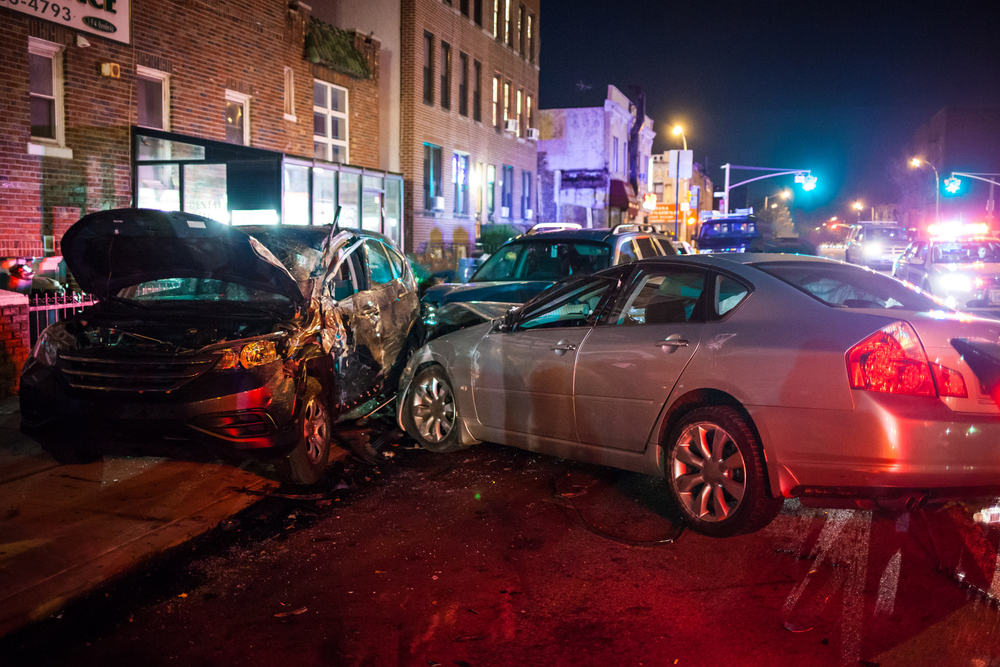
When another driver runs a red light or ignores a stop sign, the collision can leave you with injuries, medical bills, and stress that disrupts your daily life. Side-impact crashes often cause some of the most severe harm because the side of a vehicle offers little protection. If you were injured in this type of crash, you may already be looking into T-bone accident injury claims in Dallas to understand how to recover financially and hold the at-fault driver accountable.
Victims of these accidents often face a long road to healing, and the legal process can feel like an extra burden during an already difficult time. Having strong legal support can make the difference between feeling left on your own and having someone stand up for your rights.
Reach out to an experienced Richardson car accident lawyer today for a free consultation. You don’t have to handle the process alone. An attorney can answer your questions, help you see a clearer path forward, and fight hard on your behalf.
What Are T-Bone Accidents and How Do They Happen in Dallas?

T-bone accidents, sometimes called side-impact collisions, happen when the front of one vehicle strikes the side of another. The impact often forms a “T” shape, which explains the name. In Dallas, where traffic congestion, high-speed roads, and busy intersections are common, these crashes occur frequently, and you may Need a Lawyer After to help protect your rights and seek compensation.
Common Causes of Side-Impact Collisions
Driver error ranks at the top of the list for causes. Running red lights, rolling through stop signs, and failing to yield often lead to these accidents.
Distracted driving also plays a role. When someone glances at their phone or tries to multitask behind the wheel, they might not see a vehicle crossing in front of them.
Speeding adds even more risk because it reduces reaction time and increases impact force.
High-Risk Intersections in Dallas
Certain intersections see more of these crashes than others. Areas where traffic converges from multiple directions without clear visibility often produce higher accident numbers. Intersections along busy streets like Central Expressway, Stemmons Freeway, and sections near downtown Dallas have higher reports of side-impact crashes. Poor traffic design, short signal times, and heavy commuter traffic all contribute.
Weather and Road Conditions Contributing to T-Bone Crashes
Rain, fog, and slick pavement create conditions where even small mistakes turn into severe accidents. Dallas drivers know sudden thunderstorms can leave roads slippery. When someone speeds through a wet intersection, their ability to stop or correct is limited. Poor lighting or faded lane markings at intersections also make matters worse.
Dallas drivers and passengers who suffer harm in these crashes often wonder what comes next. Understanding how these collisions occur helps victims and their families recognize why holding the negligent driver accountable matters.
What Types of Injuries Result from T-Bone Accidents?
Side-impact collisions often cause severe injuries because the side of a vehicle offers little protection compared to the front or rear. Victims may deal with both immediate trauma and long-term health problems, so it is important to know How Long Do You Have to File a claim to protect your right to compensation.
Head and Brain Injuries
Head trauma happens when the skull strikes a window, steering wheel, or headrest. Concussions, skull fractures, and traumatic brain injuries can leave lasting effects like memory loss, dizziness, or difficulty concentrating. Recovery may take months or even years.
Spinal Cord and Back Injuries
The sudden jolt of impact can damage the spine. Herniated discs, fractured vertebrae, and spinal cord injuries often limit mobility. Some people require surgery, while others need long-term therapy to regain function.
Chest and Rib Fractures
The force of a seatbelt or airbag can break ribs or damage the chest wall. Rib fractures cause sharp pain and make breathing difficult. These injuries can also puncture lungs or damage surrounding organs.
Internal Organ Damage
The body absorbs enormous force during a T-bone accident. This sometimes leads to internal bleeding or organ damage that isn’t immediately visible. Emergency medical evaluation often detects these conditions before they become life-threatening.
Long-Term Disability Concerns
Severe injuries sometimes prevent people from returning to work or living independently. Loss of mobility, chronic pain, or cognitive impairments may alter the course of a victim’s life permanently. Families often need to adjust living spaces or provide long-term care.
When someone suffers injuries in a Dallas T-bone accident, medical bills, rehabilitation costs, and lost income often pile up quickly. These hardships highlight why pursuing a claim matters.
Who Is Liable for T-Bone Accidents in Texas?
Determining liability requires looking closely at the circumstances. In most cases, the driver who ignored traffic signals or failed to yield bears responsibility. However, liability sometimes extends beyond a single driver.
Determining Fault at Intersections
Police reports often describe how the crash occurred. If a driver ran a red light or failed to stop at a sign, fault becomes clear. Witness statements and traffic cameras also help establish responsibility.
Right-of-Way Laws in Texas
Texas law outlines who has the right-of-way at intersections. For example, vehicles already in the intersection or those on a main road usually have priority. Drivers who violate these laws often cause side-impact crashes.
Role of Traffic Signals and Signs
Malfunctioning lights or missing stop signs sometimes contribute. In those cases, government agencies responsible for road maintenance may share liability. However, proving this requires detailed investigation.
Multiple Party Liability Scenarios
Sometimes, both drivers share partial responsibility. For example, one may have been speeding while the other failed to yield. Texas applies a modified comparative fault system, which means victims can still recover damages as long as they’re not more than 50 percent at fault.
Liability in these cases often requires careful review of traffic laws, witness statements, and accident reconstruction.
What Damages Can You Recover in a T-Bone Accident Claim?
After a side-impact collision, the injuries and financial strain can extend far beyond the crash itself. Victims often find that medical bills, missed time at work, and long-term effects create pressure that feels impossible to manage without support. Mistakes to Avoid After the accident can affect the outcome, and a personal injury claim allows you to hold the responsible driver accountable and pursue recovery for the losses you’ve experienced.
Medical Expenses and Future Care Costs
The most immediate cost after a T-bone crash usually comes from emergency care. Ambulance transport, hospital stays, surgery, and follow-up visits add up quickly. For some, treatment doesn’t end after the first few months. Long-term rehabilitation, therapy, and even in-home medical care may become necessary. A claim can include both the current bills and the expected cost of future treatment.
Lost Wages and Diminished Earning Capacity
When injuries force you to miss work, the lost income can create financial hardship. If your injuries limit your ability to return to your previous job or reduce the number of hours you can work, the claim may also include diminished earning capacity. This takes into account not only what you’ve already lost, but what you may no longer be able to earn in the future.
Pain and Suffering Compensation
A side-impact crash often affects more than just your bank account. Lingering pain, limited mobility, anxiety, and other life changes disrupt your daily routines. What every victim should remember is that courts and insurance adjusters recognize these non-financial harms, and they form part of the damages that victims may recover.
Property Damage Recovery
Repairing or replacing a damaged vehicle often adds another layer of financial strain. Victims can pursue recovery for these costs through their claim.
Pursuing these damages helps victims and families rebuild stability after a devastating collision.
How Long Do You Have to File a T-Bone Accident Claim in Texas?
Timing matters when filing a personal injury claim in Texas. Missing the deadline could prevent recovery.
Texas Statute of Limitations for Personal Injury Claims
In most cases, victims have two years from the date of the accident to file. Courts rarely extend this deadline.
Discovery Rule Exceptions
Some injuries aren’t immediately obvious. In those situations, the law allows the deadline to start when the injury is discovered. However, this exception applies only in specific cases.
Factors That Can Affect Filing Deadlines
When government agencies bear liability, the timeline to provide notice may be shorter. Minors injured in T-bone accidents sometimes receive extended filing deadlines.
Consulting an attorney early ensures deadlines aren’t missed. Victims benefit from acting quickly to preserve evidence and to avoid losing their legal right to pursue recovery.
What Evidence Do You Need for Your T-Bone Accident Case?
Evidence often makes or breaks a case. Collecting and preserving proof strengthens a claim.
Police Reports and Traffic Citations
Officers often document accident scenes and issue citations. These reports help establish what happened and who caused the crash.
Witness Statements and Contact Information
Neutral witnesses provide valuable perspectives. Their accounts often confirm who had the green light or who ignored a stop sign.
Medical Records and Documentation
Detailed medical records show the extent of injuries and the cost of treatment. These documents connect the accident directly to the injuries.
Photographic and Video Evidence
Pictures of vehicle damage, skid marks, and intersection conditions provide powerful visual evidence. Traffic cameras or nearby business surveillance often capture accidents as they happen.
Expert Accident Reconstruction
Specialists sometimes analyze crash data to recreate the accident. Their findings help clarify liability and strengthen the case.
Collecting strong evidence early gives victims a stronger foundation when pursuing damages.
How Do Insurance Companies Handle T-Bone Accident Claims?
Insurance companies often aim to limit payouts. Victims should know common tactics and how to respond.
Common Insurance Company Tactics
Adjusters may offer quick settlements before victims realize the full extent of their injuries. They sometimes question medical treatment or argue the injuries were pre-existing. Delay tactics also frustrate victims into accepting less than they deserve.
Dealing with Multiple Insurance Providers
When multiple drivers or vehicles are involved, several insurance companies may share responsibility. Each may try to shift blame to reduce its payout. This creates delays and confusion for victims.
Understanding Policy Limits and Coverage
Insurance policies often have strict limits. Even when damages exceed coverage, insurers may refuse to pay more. Victims then look for other sources of recovery, such as underinsured motorist coverage.
When to Accept or Reject Settlement Offers
Insurance companies sometimes offer low settlements that don’t cover future medical needs or lost wages. Rejecting those offers makes sense when the insurer refuses to take responsibility for the full impact of the accident.
Knowing how insurers operate helps victims prepare for the process and avoid being shortchanged.
How Our Attorneys Can Help
Legal representation provides victims with a strong advocate during the claims process. Attorneys focus on building cases that show the full scope of damages, and settlements are calculated based on medical costs, lost income, pain, and the long-term impact of the crash.
Comprehensive Case Investigation
Attorneys gather police reports, witness statements, and expert opinions to build a clear narrative of what happened.
Medical Expert Network Access
Medical professionals help explain the severity of injuries and future care needs. Their testimony often strengthens a claim.
Negotiation with Insurance Companies
Attorneys handle communications with insurers, pushing for fair outcomes. Their involvement often prevents victims from being pressured into unfair settlements.
Trial Representation Experience
When insurers refuse to accept responsibility, attorneys prepare cases for trial. This step demonstrates that victims are serious about pursuing justice.
No Upfront Fees
Our firm works on a contingency fee basis. Clients don’t pay upfront. The fee comes only if the case resolves in their favor through settlement or verdict.
Strong legal guidance helps victims focus on recovery while their case moves forward.
Frequently Asked Questions About T-Bone Accident Claims
What should I do immediately after a T-bone accident?
Call 911, seek medical attention, and report the crash. Collect contact information from witnesses and take photos if possible.
Can I still recover compensation if I was partially at fault?
Yes. Texas law allows recovery as long as you’re not more than 50 percent responsible. Your recovery may be reduced by your percentage of fault.
How much is my T-bone accident case worth?
Each case differs. The value depends on medical bills, lost income, future care needs, and the impact on your daily life.
Do I need to go to court for my T-bone accident claim?
Many cases resolve through settlement, but some proceed to trial when insurers refuse to take full responsibility.
What if the other driver was uninsured or underinsured?
Victims may pursue recovery through their own uninsured or underinsured motorist coverage. An attorney can review policy options.
Contact Our Car Accident Attorneys in Dallas Now
Recovering after a T-bone accident often feels like climbing a steep hill. You shouldn’t have to do it alone. Our attorneys at AMS Law Group know how to pursue justice for accident victims and hold negligent drivers accountable. Contact us today for a free consultation. Let us review your case and explain the next steps.