




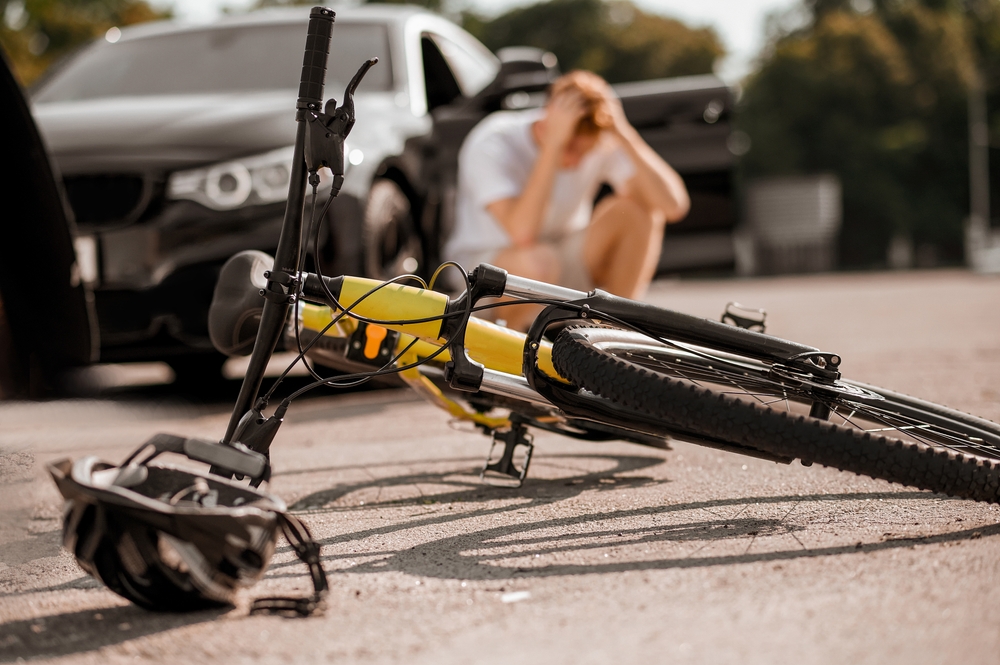
Right hook bicycle accidents happen in seconds but leave lasting consequences. Bicycle accident lawyer in Richardson representation can help victims understand their rights and pursue compensation for injuries caused by negligent drivers. These collisions occur when drivers turn right across a cyclist’s path, either failing to check blind spots or misjudging the cyclist’s speed and position. Understanding liability rules and evidence requirements helps cyclists protect their legal rights after right hook collisions.
Key Takeaways for Right Hook Bicycle Accidents
- Texas law requires turning vehicles to yield to traffic already in the lane they’re crossing, including cyclists lawfully using bike lanes through intersections.
- “I didn’t see you” doesn’t eliminate driver liability—failure to check blind spots and mirrors before turning constitutes negligence under Texas traffic law.
- Video evidence from intersection cameras, business surveillance, and dashcams proves critical in right hook cases but often gets deleted within days.
- Right hook collisions generate severe injuries because impact forces throw cyclists into curbs, parked cars, or pavement while the bicycle remains trapped under the turning vehicle.
- Insurance companies frequently argue that cyclists were “undertaking” illegally or traveling too fast, requiring technical evidence about bike lane rights and typical cycling speeds.
Understanding Right Hook Accident Mechanics
Right hook collisions follow predictable patterns. A driver travels alongside or slightly ahead of a cyclist, then turns right across the cyclist’s path. The driver either never saw the cyclist or misjudged the closing speed and distance. The cyclist, traveling straight in the bike lane or right portion of the road, suddenly faces a vehicle cutting directly into their path with no time to brake or maneuver. What you need to know is that these collisions often result from preventable driver errors, and cyclists have the legal right to hold negligent motorists accountable for failing to yield.
These accidents happen because drivers focus attention on different threats than cyclists. Drivers check mirrors and blind spots for other cars approaching from behind at vehicle speeds. Cyclists traveling at 12-18 miles per hour fall outside typical driver scanning patterns.
Why Drivers Don’t See Cyclists
Vehicle design amplifies visibility problems. A-pillars—the structural supports between the windshield and side windows—create blind spots that obscure cyclists at certain angles. Larger vehicles, including SUVs and trucks, have more extensive blind spots. Commercial delivery vehicles and semis have blind spot zones where entire cars disappear from the driver’s view, let alone cyclists.
Intersection complexity contributes to right hook frequency. Drivers process multiple simultaneous decisions: monitoring traffic signals, checking for pedestrians, watching for oncoming vehicles, and scanning for cars in adjacent lanes. Cyclists in bike lanes often get overlooked in this information overload.
Texas Law and Right Hook Liability
Texas Transportation Code Section 545.101 requires a right-turn approach and turn as closely as practicable to the right-hand curb. And Section 545.103 bars any turn or lateral movement unless it may be made safely. Under Section 545.151, operators must yield as required when approaching or entering intersections; turning across another lane still must comply with the safe-turn rule. A cyclist traveling straight in a bike lane constitutes traffic that a right-turning driver must yield to before crossing that lane.
The duty to check blind spots before turning falls under general negligence principles. Drivers must exercise reasonable care for the safety of others. Reasonable care includes checking mirrors, physically turning to check blind spots, and ensuring the path is clear before executing turns. Failure to see a cyclist in a bike lane typically reflects failure to look properly rather than true invisibility.
Comparative Fault Considerations
Texas follows modified comparative fault rules under Civil Practice and Remedies Code Section 33.001. Cyclists may recover compensation if they’re 50% or less responsible for the accident, though compensation is reduced by their fault percentage. Insurance companies often argue that cyclists contributed to right hook accidents by traveling too fast, failing to anticipate the turn, or “undertaking” illegally.
Richardson Intersections Where Right Hooks Happen
Richardson’s commercial corridors and commuter routes create numerous conflict points where right hook accidents concentrate. Identifying these locations helps cyclists understand risk patterns and recognize when crashes result from design failures.
Commercial Corridor Hotspots
Greenville Avenue through Richardson’s retail district sees frequent right hook accidents. The road carries steady traffic alongside bike lanes, with numerous driveways and parking lot entrances creating constant right-turn conflicts. Drivers focus on finding parking spots rather than checking bike lanes.
Arapaho Road’s six lanes and commercial development create multiple right hook opportunities. High speeds on this arterial mean drivers approach intersections quickly, leaving less time to process cyclist presence. Belt Line Road handles significant commercial truck traffic serving industrial and retail areas, where large vehicles’ extensive blind spots make right hook collisions particularly dangerous. You need a lawyer after these accidents to investigate driver negligence, secure video evidence, and hold trucking companies accountable for unsafe turning practices.
Intersection Design Failures
Many Richardson intersections lack protected treatments that physically separate bicycle and vehicle paths through turn zones. Bike lanes continue through intersections without protection, relying on drivers to check and yield. Traffic signal timing rarely includes leading bicycle intervals that give cyclists head starts before vehicle turning phases.
Right turn on red permissions increase right hook risk. Drivers stopping at red lights before turning focus on approaching traffic from the left to find gaps, often failing to check right-side bike lanes where cyclists might be approaching with a green signal.
Common Right Hook Scenarios and Liability
Right hook accidents follow several patterns, each with distinct liability considerations. Understanding these scenarios helps victims recognize fault elements in their specific situations.
The “Pass and Turn” Right Hook
The most common right hook involves a driver passing a cyclist and then immediately turning right. The driver saw the cyclist when passing but misjudged how quickly the cyclist would reach the turn location. This scenario establishes clear liability—the driver knew the cyclist was present but turned anyway without ensuring safe clearance.
The Blind Spot Right Hook
Some drivers genuinely never see cyclists positioned in blind spot zones. The cyclist traveled alongside the vehicle for an extended distance, but the driver’s mirror and blind spot checks failed to detect the cyclist’s presence. While the driver’s perception was incomplete, liability still typically falls on the driver for failing to check adequately before turning.
Commercial Vehicle Right Hooks
Delivery trucks, semis, and buses create particularly dangerous right hook situations. These vehicles’ size means right turns require wide arcs that swing left before turning right. Cyclists might see the vehicle move left and assume it’s changing lanes rather than preparing to turn right. The resulting collision can trap cyclists under rear wheels as the vehicle completes its turn. Settlements are calculated based on the severity of injuries, long-term medical costs, and the extent of negligence involved, which can be substantial in commercial vehicle cases.
Proving Fault in Right Hook Accidents
Evidence collection determines whether you recover fair compensation or face denied claims. Right hook cases require specific documentation types that establish driver liability and counter insurance defenses.
Video Evidence Priority
Video footage provides the most powerful evidence in right hook cases. Traffic intersection cameras capture signal timing, vehicle positions, and collision dynamics. Business surveillance cameras facing streets often record adjacent intersection activity. Vehicle dashcams preserve objective records of the collision sequence.
This evidence disappears quickly. Many businesses overwrite surveillance footage within 7-30 days. Identifying potential video sources immediately after accidents and requesting preservation becomes critical. Your attorney sends preservation letters to businesses and government entities requiring them to maintain footage during the claim investigation.
Physical Evidence and Witness Testimony
Vehicle damage patterns tell stories about collision dynamics. Impact locations on the car indicate where the cyclist was positioned when struck. Bicycle damage shows force direction and impact severity. Intersection geometry documentation proves what drivers might have seen through photographs from the driver’s eye level approaching the intersection.
Witnesses rarely see complete right hook sequences—the collisions happen too quickly. However, witnesses provide valuable evidence about immediate pre-collision conditions. Other drivers confirm whether the turning vehicle used signals. Following cyclists verify the victim rode lawfully in the bike lane.
Countering Insurance Company Arguments
Insurance adjusters deploy predictable strategies to minimize right hook claims. Understanding these arguments helps cyclists prepare effective responses through proper evidence gathering.
“The Cyclist Was Undertaking”
Insurance adjusters frequently claim cyclists passing vehicles on the right engage in illegal “undertaking.” This argument mischaracterizes lawful bike lane use. Marked bike lanes provide designated space for through bicycle travel; using them lawfully isn’t “undertaking,” and drivers must check and yield before turning across them. The cyclist traveling straight in their designated lane has priority over vehicles turning across that lane. Mistakes to avoid after a right hook collision include accepting quick settlement offers or giving recorded statements before consulting a lawyer who understands bicycle accident laws.
“The Cyclist Was Going Too Fast”
Insurers sometimes argue cyclists traveled too fast for prevailing conditions, leaving drivers unable to judge arrival timing. This argument fails unless the cyclist actually exceeded safe speeds for conditions. Typical cycling speeds of 12-18 miles per hour are neither reckless nor unexpected.
Even if a cyclist traveled faster than typical, driver liability usually remains. The duty to yield before turning requires checking that the path is clear regardless of approaching traffic speed. A driver who failed to see a fast-approaching cyclist generally failed to look properly.
“The Driver Couldn’t See the Cyclist”
The “I didn’t see you” statement reveals negligence rather than excusing it. Drivers must check blind spots before turning. If a cyclist was present but the driver didn’t see them, the driver failed to check adequately. Vehicle design creates blind spots, but drivers remain responsible for compensating through proper mirror use and head checks before maneuvers.
Right Hook Injury Patterns
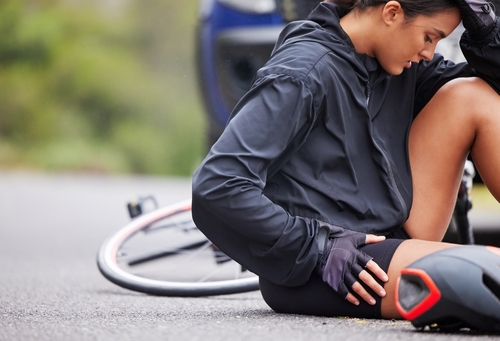
Right hook collisions generate severe injuries through several mechanisms. The initial impact between the vehicle and the bicycle throws the cyclist forward and to the right. The cyclist often strikes the curb, parked cars, or pavement while the bicycle remains caught under the turning vehicle.
Common injuries include:
- Fractures to the legs, hips, and pelvis from initial impact and secondary ground strikes
- Shoulder and collarbone fractures from landing on the right side
- Head injuries despite helmet use when cyclists strike curbs or vehicle bodies
- Road rash and soft tissue damage from sliding across pavement after ejection
- Crushing injuries to legs or feet if the bicycle remains trapped under the vehicle’s wheels
The lateral impact direction provides less protection than frontal or rear collisions. The combination of impact severity and awkward landing angles produces injuries requiring extended recovery and sometimes permanent limitations.
Steps to Strengthen Your Right Hook Claim
Once you’re home from the hospital or initial medical treatment, evidence preservation becomes the priority. Actions taken in the hours and days after the collision determine whether you build a strong claim or face an uphill battle against insurance denials.
Immediate Documentation Priorities
Contact an attorney within 24 hours to begin video preservation efforts before the footage gets deleted. Your attorney sends preservation letters to businesses and government entities requiring them to maintain surveillance footage during the claim investigation. Many businesses overwrite recordings within 7-30 days, making immediate action critical.
Return to the intersection when you’re physically able to. Photograph the approach from the driver’s perspective, showing sight lines and blind spot considerations. Capture bike lane markings, traffic signals, and signage. Take pictures from the cyclist’s approach angle showing the bike lane path through the intersection. Note business names with cameras facing the intersection for your attorney’s preservation efforts. Can I sue after a right hook bicycle accident depends on evidence proving the driver’s negligence—such as camera footage or witness testimony—showing they failed to yield or check blind spots before turning.
Protecting Your Legal Rights
Obtain the police report from the Richardson Police Department once available. This official document records the officer’s observations and any citations issued. If the report contains errors about how the accident occurred, notify your attorney immediately.
Preserve your bicycle without repairs—the damage pattern provides evidence about impact forces and collision dynamics. Photographs alone don’t capture all relevant damage details that experts might later analyze. Keep all medical receipts, prescription documentation, and records of missed work. Maintain a journal describing pain levels, activity limitations, and how injuries affect your daily routine.
FAQ for Right Hook Bicycle Accidents
Does Using a Bike Lane Guarantee I Had Right-of-Way?
Bike lanes indicate designated cyclist space but don’t automatically grant right-of-way in all situations. When you travel straight through an intersection in a bike lane, turning vehicles generally must yield to you. However, if you face a red light or stop sign, you must yield to traffic with priority. The bike lane establishes your lawful position but doesn’t override traffic controls.
What If I Was Passing Cars Stopped in Traffic?
Filtering forward in a marked bike lane while traffic is stopped is common and often lawful when you obey signals and any local ordinances. Drivers still must check and yield before turning across the bike lane.
Can I Recover If the Driver Used Their Turn Signal?
Using a turn signal doesn’t give drivers the right to turn regardless of conflicting traffic. Signals announce intentions but don’t grant priority over traffic already in the lane being crossed. If you were alongside or approaching when the driver signaled and turned, the driver still violated the duty to yield.
How Do I Prove the Driver Didn’t Check Their Blind Spot?
Direct proof of mirror and blind spot checks rarely exists. Instead, attorneys prove that you were present and visible in a location the driver might have checked. Accident reconstruction shows your position when the driver turned. Video evidence might capture the driver’s head position and movements. The driver’s own statement that they “didn’t see you” often proves they failed to look adequately.
What If the Right Hook Involved a Commercial Truck or Delivery Van?
Commercial vehicle right hooks often involve employer liability in addition to driver responsibility. Companies must properly train drivers, maintain vehicles, and avoid pressuring drivers into unsafe behaviors. Delivery driver time pressures contribute to hasty turns without adequate blind spot checks. Your attorney investigates company policies, driver training records, and whether the company knew the driver had previous safety violations.
Get Help for Your Right Hook Bicycle Accident
Right hook cases require immediate action to preserve video evidence before deletion. We send preservation letters to businesses and government entities within hours of learning about accidents. Our investigation might include intersection geometry analysis, vehicle sight line studies, and expert testimony about driver duties and typical cycling behavior.
Call our Richardson office at (888) 960-8363 today for your free consultation. We’ll review your right hook accident, explain your legal options, and begin evidence preservation immediately. Don’t let insurance companies blame you for a collision caused by a driver who failed to check their blind spot—get experienced legal representation fighting for the compensation you need.