





Trail accidents don’t feel like they belong in the same category as highway crashes, yet a bicycle accident lawyer can confirm that Richardson bike trail accidents send cyclists to emergency rooms with injuries that may be just as severe as those from road collisions. Richardson’s extensive trail and bikeway network provides recreational opportunities and commuter routes throughout the city. Understanding where accidents concentrate helps trail users make informed route choices and recognize when crashes result from design failures rather than rider error.
Key Takeaways for Richardson Bike Trail Accidents
- Trail crossings at major roads like Spring Valley, Arapaho, and Belt Line often account for a disproportionate share of Richardson bike trail accidents compared to the total trail system mileage.
- At marked trail crossings, right-of-way depends on posted signs and signals—drivers must yield when control devices give trail users priority, and cyclists must obey any stop or yield controls.
- Municipal liability claims for hazardous crossing conditions face strict notice deadlines, damage caps, and defenses under the Texas Tort Claims Act and Recreational Use Statute.
- Evidence preservation differs at trail crossings: fewer cameras, isolated locations, and design documentation become critical.
- Many trail accident victims assume recreational paths carry less legal protection than roads, leading them to abandon valid injury claims.
Understanding Richardson’s Trail System Structure
Richardson’s trail network comprises dedicated bicycle paths, shared-use trails accommodating cyclists and pedestrians, and on-street bike lanes connecting trail segments. The Duck Creek Trail runs east-west through central Richardson, while Spring Creek Trail serves northern neighborhoods. Connections to Dallas’s White Rock Creek Trail extend the system beyond city boundaries.
Most trails feature at-grade crossings where paths intersect roadways. What you need to know is that cyclists must cross vehicle traffic at painted crosswalks, often with minimal traffic control. Grade-separated crossings remain rare due to construction costs. This design creates conflict points where fast-moving vehicles meet vulnerable trail users.
High-Risk Trail Crossing Locations in Richardson
The crossings below represent locations where crash patterns and firm case experience reveal elevated risk. Actual accident frequency varies by season, time of day, and traffic volume.
Spring Valley Road and Collins Boulevard Area
The Spring Creek Trail crossing at Spring Valley near Collins Boulevard handles heavy vehicle and bicycle traffic simultaneously. Spring Valley carries commuters between Richardson and Plano during peak hours when speeds run high. Commercial development limits sight lines, preventing drivers from seeing approaching cyclists until the last moment.
Right-turning vehicles create particular danger here. Drivers focus on merging into Spring Valley traffic rather than checking for trail users in the crossing. Evening rush hour accidents happen when the setting sun creates glare that obscures crossing markings.
Sherman Street Trail Crossings
Multiple trail segments intersect Sherman Street through residential neighborhoods where families cycle to schools and parks. Lower vehicle speeds create false security. Drivers familiar with the route develop complacency, rolling through crossings without fully stopping. Children cycling independently lack experience in judging vehicle approach speeds.
The residential character means fewer witnesses compared to commercial corridors. Tree canopy obscures crossing visibility during leaf season, while accidents often involve conflicting accounts about who had the right-of-way.
Arapaho Road Crossings
Arapaho Road’s six lanes and 45-mile-per-hour speed limit make trail crossings here among Richardson’s most dangerous. The width requires cyclists to cross extended distances while exposed to traffic. Multi-lane configurations allow vehicles in near lanes to block drivers in far lanes from seeing crossing cyclists.
The road serves major retail and commercial areas where driver attention splits between navigation, parking, and traffic. Flashing beacon activation sometimes goes unnoticed amid visual clutter from business signage.
Belt Line Road Trail Intersections
Commercial truck traffic and industrial area access make Belt Line Road crossings particularly hazardous for cyclists. Trucks’ higher profiles and longer stopping distances increase injury severity when collisions occur. You need a lawyer after these accidents to investigate safety design flaws, gather evidence, and hold negligent drivers or entities accountable. The road’s commercial character means crossing design prioritizes vehicle flow over trail user safety.
Longer signal cycles force cyclists to wait extended periods, encouraging risky mid-block crossings. Rush hour congestion creates gaps in traffic that tempt cyclists to cross against signals.
Campbell Road Connections to Plano
Campbell Road carries significant commuter cycling traffic between Richardson and Plano, yet crossings lack protection proportional to usage. The road’s importance as an east-west corridor means drivers travel at higher speeds and resist stopping for trail users.
Accidents here often involve cyclists commuting to work who use the route daily. Familiarity breeds complacency on both sides—cyclists assume drivers will yield as they usually do, while drivers grow frustrated with frequent crossing delays.
Why Trail Accidents Happen: Contributing Factors

Multiple environmental, behavioral, and infrastructure factors combine to create dangerous conditions at Richardson trail crossings. Understanding these elements helps explain why certain locations see repeated accidents.
Driver Expectation and Visibility Issues
Driver expectation failures cause many Richardson trail system accidents. Motorists scan for vehicles approaching from typical roadway positions rather than bicycles emerging from greenway corridors. The visual contrast between shaded trail approaches and sunlit roadways reduces cyclist visibility.
Trail crossing design inconsistency creates confusion about right-of-way. Some crossings include stop signs requiring cyclists to yield. Others grant trail users right-of-way with yield signs for drivers. Settlements are calculated based on how these design flaws, driver actions, and injury severity combine to determine liability and compensation. When cyclists expect priority and drivers assume they must yield to vehicles, collisions result.
Environmental and Seasonal Factors
Vegetation management affects seasonal accident patterns:
- Spring and summer growth obscures sight lines at crossings bordered by natural areas
- Fall leaves cover crossing markings, reducing visibility during wet conditions
- Winter’s bare branches improve visibility but create glare hazards during commute hours when low sun angles affect driver vision
The speed differential between bicycles and vehicles complicates gap judgment. A cyclist approaching at 15 miles per hour closes the distance faster than pedestrians but slower than cars. Drivers misjudge how quickly cyclists will reach crossings, so they may pull into crossings despite seeing approaching bicycles.
Legal Rights and Liability at Richardson Trail Crossings
Texas law establishes specific protections for trail users at crossings, though liability rules remain complex. Multiple parties might share responsibility depending on crossing design, maintenance, and user behavior.
Trail User Rights Under Texas Law
At marked trail crossings, the right-of-way depends on the posted signs and signals. Drivers generally must yield to users who are lawfully in the crosswalk or when control devices give trail users priority, and cyclists must obey any stop or yield controls at the crossing.
When a hazardous condition at a crossing—such as obscured sight lines, missing warnings, or deteriorated surface—contributes to a crash, a claim may be possible under the Texas Tort Claims Act. However, design choices are often immune from liability, and the Texas Recreational Use Statute limits recovery to cases involving gross negligence rather than ordinary negligence. Design decisions are often discretionary and immune, so viable claims typically focus on maintenance or unreasonably dangerous conditions the city knew or should have known about.
Claims face strict notice requirements, short deadlines, and statutory damage caps. Property owners near trail crossings rarely face liability unless they created specific hazards affecting crossing visibility or safety.
Comparative Fault Considerations
Texas Civil Practice and Remedies Code Section 33.001 applies comparative fault rules to trail accidents. Cyclists who enter crossings without checking for traffic or who ignore stop signs might bear partial responsibility. Recovery remains possible if the cyclist is 50% or less at fault, though compensation reduces proportionally by the cyclist’s percentage of fault.
Cities may be liable for unreasonably dangerous conditions they knew or should have known about, though liability depends on the specific facts and available statutory defenses. Trail surface maintenance issues—broken pavement, exposed roots, or drainage problems—create separate liability considerations from crossing design.
Injury Patterns in Trail Crossing Accidents
Trail crossing accidents can generate severe injuries despite the common perception of bike paths as being safer than roads:
- Head trauma and traumatic brain injuries that require extended cognitive therapy, sometimes causing permanent impairment despite helmet use
- Orthopedic injuries, including fractures to arms, legs, collarbones, and facial bones, requiring surgical repair and months of recovery
- Soft tissue injuries to the shoulders, knees, and back that develop into chronic conditions limiting work capacity and recreational activities
- Road rash that creates painful wounds requiring careful treatment, leaving permanent scarring and sometimes necessitating skin grafts
These injuries prove difficult to value because they lack dramatic presentation but cause significant long-term impacts affecting self-confidence, career options, and quality of life. Mistakes to avoid after a trail accident include delaying medical care, repairing your bike or gear before documenting evidence, and speaking with insurers without legal advice.
What to Do After a Trail Crossing Accident
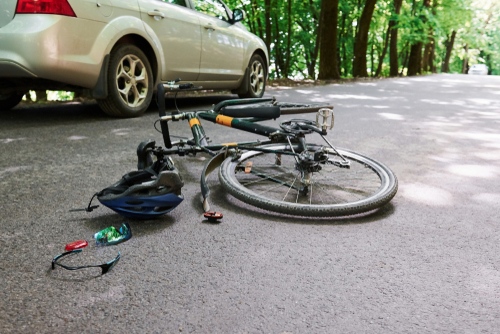
Strong claims are built on medical documentation, organized records, and timely legal steps. Start with a thorough medical evaluation and follow your providers’ instructions. Ask for copies of visit notes, imaging, and discharge papers, and keep a simple recovery journal noting pain levels, mobility limits, and missed work or school.
Preserve evidence that is already in your possession. Set aside damaged gear (helmet, bike, clothing) without repairing or cleaning it. Download and save GPS/cycling-computer files and any camera footage, and gather bills, receipts, and proof of lost income in one place.
Document the incident through official channels as they become available. Request the crash report and check it for accuracy. If you hire counsel, they can send preservation letters to nearby businesses or agencies for camera footage, signal-timing data, and maintenance records before they’re overwritten.
Protect your legal position by avoiding recorded statements or broad medical authorizations for insurers until you’ve spoken with an attorney, and keep social media posts about the crash and your injuries to a minimum. Be mindful of Texas deadlines—including shorter notice requirements for claims involving a city—and have a lawyer confirm which timelines apply and handle communications on your behalf.
Contact an attorney experienced with Richardson bike trail accidents before accepting settlement offers. Initial offers rarely reflect actual injury costs and future medical needs. Legal representation typically results in higher compensation even after fees.
FAQ for Richardson Bike Trail Accidents
Do Trail Users Have the Same Legal Rights as Road Cyclists?
At marked trail crossings, the right-of-way depends on posted signs and signals. Drivers must yield to users lawfully in the crosswalk or when control devices give trail users priority. Trail users must follow posted traffic controls—stop signs at crossings require cyclists to yield to vehicles. Rights depend on specific crossing configuration and regulatory signage rather than blanket rules.
Can I Sue Richardson for Poor Trail Crossing Design?
Municipal liability might apply when hazardous conditions at crossings contribute to accidents. However, design choices are often protected by discretionary immunity, and the Texas Recreational Use Statute limits recovery to cases involving gross negligence. Can I sue after a trail accident involving poor maintenance or unsafe design? Successful claims typically focus on maintenance failures—missing signage, obscured sight lines from deferred vegetation management, or dangerous pavement conditions the city knew about but failed to repair. An attorney evaluates whether municipal liability applies to your specific accident.
What If the Driver Says I Came Out of Nowhere?
“Came out of nowhere” is a common driver defense in trail crossing accidents. It often means the driver failed to scan properly for trail users. Your attorney counters this with evidence showing sight lines, crossing markings, and signage that should have alerted attentive drivers. Accident reconstruction experts may analyze approach speeds and visibility to prove drivers had adequate opportunity to see cyclists who were present and visible before the crossing.
Are Trail Accidents Worth Less Than Road Accidents?
Insurance companies sometimes undervalue trail accidents based on misconceptions that recreational paths involve lower speeds and less serious injuries. Your compensation depends on actual injury severity, medical costs, lost wages, and long-term impacts—not accident location. Attorneys present medical evidence proving injury extent regardless of where the crash occurred.
How Long Do I Have to File a Claim After a Trail Accident?
Texas Civil Practice and Remedies Code Section 16.003 establishes a two-year statute of limitations for personal injury claims from the accident date. Missing this deadline typically bars recovery entirely. If a city is involved, written notice is typically due within six months, though some city charters require shorter periods. Municipal claims also face statutory damage caps that limit total recovery amounts.
Get Legal Help for Your Trail Crossing Accident
AMS Law Group represents cyclists injured throughout Richardson’s trail system. We know the crossings where accidents concentrate and understand how design failures contribute to collisions.
Trail crossing accidents require attorneys who understand both traffic law and municipal liability. We gather evidence proving driver violations, document crossing design defects, and counter insurance arguments that minimize trail accident severity. Our investigation includes city maintenance records, crossing design standards, and expert analysis that strengthens your claim.
Call our Richardson office at (888) 960-8363 today for your free consultation. We’ll review your trail accident, explain your legal options, and answer your questions about claims involving municipal liability and driver fault. Don’t let insurance companies take advantage of misconceptions about trail accident claims—get experienced legal representation fighting for the compensation you need.