



Intersections in Tarrant County see some of the highest crash volumes in Texas. Whether it’s a highway merge in Fort Worth or a busy crossroad in Arlington, certain intersections consistently lead to more injuries and property damage than others. While not every crash can be avoided, identifying the most dangerous intersections for car accidents in Tarrant County can help drivers stay alert and better prepared.
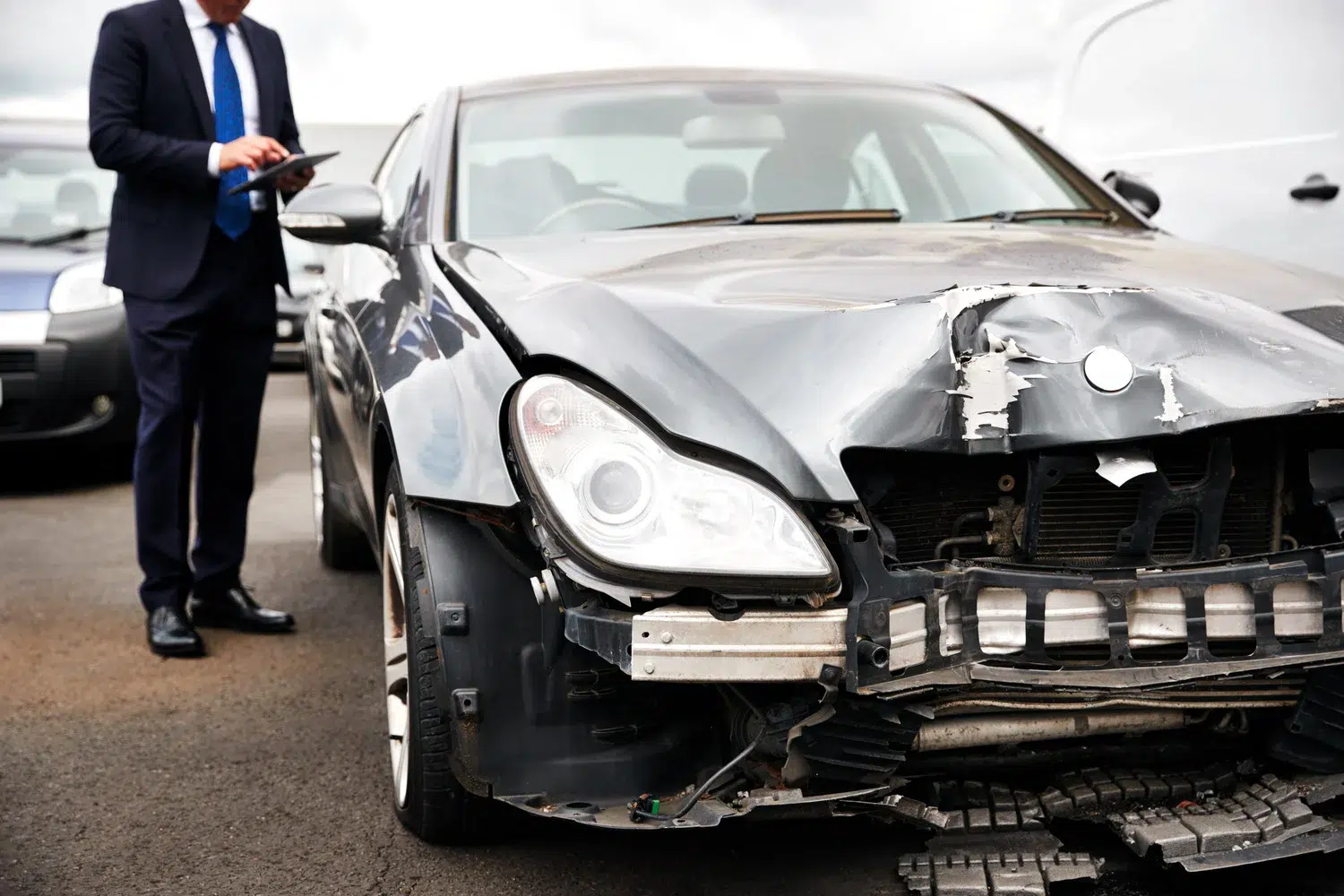
Intersection collisions often involve vehicles traveling at high speeds, making the injuries worse and the damage more severe. Multiple lanes, changing traffic signals, and distracted drivers all play a role. Some wrecks involve commercial trucks or buses. Others happen during road construction or when traffic lights fail. When a driver’s mistake or unsafe road conditions cause a crash, victims often deal with long-term pain, costly medical bills, and time away from work.
If someone else’s poor driving or carelessness led to your crash, a car accident attorney can help you pursue compensation for your injuries and other losses. AMS Law Group offers free consultations and takes on intersection accident claims across Tarrant County.
Tarrant County’s Most Dangerous Intersections
Many of the county’s worst crashes happen where highways, state roads, and high-traffic areas come together. Texas Department of Transportation (TxDOT) records and local police data point to a handful of intersections that repeatedly see a high number of wrecks and injury claims. Here’s a closer look at ten of them.
Interstate 35W and Highway 183
This Fort Worth intersection connects two heavily traveled roads used by both commuters and commercial vehicles. Traffic often backs up at exits and merge points, especially during rush hour. Rear-end crashes and sideswipes happen often.
Interstate 20 and Highway 287
Near Arlington and Mansfield, this location blends long-haul truck traffic with suburban commuters. Multiple on-ramps and lane shifts can confuse unfamiliar drivers and cause serious wrecks.
Highway 121 and Airport Freeway
Drivers in Hurst and Bedford know this spot well. Quick lane changes, limited sightlines, and tight turns contribute to fender benders and high-speed collisions.
Interstate 30 and Highway 360
This intersection near the heart of Arlington sits close to AT&T Stadium and Six Flags. Heavy event traffic adds to the normal congestion. Accidents involving lane departures and failed merges are common here.
Highway 183 and Highway 121
At this interchange near Euless, the flow of traffic between the two highways becomes unpredictable. Drivers often cut across multiple lanes to reach exits or avoid traffic jams, leading to sudden crashes.
Interstate 35W and Berry Street
A known trouble spot near Texas Wesleyan University, this intersection mixes highway traffic with residential and student drivers. Speeding and failure to yield often cause problems here.
Highway 287 and Highway 114
Located near the edge of Tarrant County, this spot serves fast-moving through traffic along with rural and suburban vehicles. The transition between road types creates confusion and leads to serious collisions.
Interstate 820 and Highway 183
With multiple loops, ramps, and shared lanes, this intersection in northeast Tarrant County challenges even experienced drivers. Many crashes involve vehicles entering or exiting at the wrong speed.
Highway 360 and Highway 183
Fast traffic, shifting lanes, and last-minute exits all contribute to this intersection’s crash count. It’s especially dangerous during peak travel times or weekend getaways.
Interstate 30 and Interstate 35W
This Fort Worth interchange combines two of the busiest freeways in the region. It’s full of sharp curves, overlapping on-ramps, and fast traffic. When accidents happen here, they often involve several vehicles.
What Makes These Intersections So Dangerous?
Many drivers wonder why some intersections always seem to cause more trouble than others. Often, it comes down to how the road works, how much traffic it sees, and how quickly conditions can change.

High Traffic Volume and Congestion
More vehicles on the road means more chances for a crash. During morning and evening commutes, traffic often comes to a sudden stop. One distracted driver can start a chain reaction. On weekends and holidays, out-of-town visitors or event crowds raise the crash risk even more.
Complex Highway Interchanges and Multiple Lanes
Some Tarrant County intersections involve five or more lanes merging at once. That makes it hard to know where to go, especially when signs don’t give clear guidance. When drivers guess wrong or try to change lanes too late, sideswipes and cutoffs occur.
Poor Visibility and Inadequate Signage
At night or during rain, drivers need to clearly see signals, signs, and other vehicles. If streetlights are broken or signs are hidden, drivers might miss their turn or fail to see a slowing car ahead. In some spots, highway signs don’t give enough time to prepare for a turn or exit.
Construction Zones and Ongoing Road Work
Work zones often shift lanes, reduce speed limits, and block off parts of the road. That creates confusion, especially for drivers who use the area daily and don’t expect changes. Loose gravel, cones, and sudden stops increase the chances of a crash.
What Are the Most Common Types of Intersection Accidents?
Wrecks at intersections can vary, but some types show up more often than others. The mix of turning, merging, and stopping leads to unique crash patterns.
T-Bone (Side-Impact) Collisions
These crashes happen when one car hits another in the side. They usually occur when someone runs a red light or turns across traffic without enough time. Injuries are often serious because side doors offer less protection.
Rear-End Accidents
When traffic stops suddenly, the car behind might not react fast enough. Rear-end collisions often result from tailgating or distracted driving. Even at low speeds, they can cause painful neck and back injuries.
Left-Turn Accidents
Left turns at intersections require drivers to judge the speed and distance of oncoming traffic. One mistake leads to a crash. These wrecks often involve both front and side damage.
Multi-Vehicle Pile-Ups
On highways and busy roads, one crash can quickly involve others. Vehicles may hit each other from behind or get pushed into traffic from other directions. These pile-ups often result in major damage and serious injuries.
Legal Responsibility After a Crash at a Tarrant County Intersection
When a car accident happens at a busy intersection, the question of who is legally at fault is rarely simple. Multiple drivers may be involved, and evidence from the scene often determines who should be held responsible. In Tarrant County, establishing liability typically centers on proving that a driver acted carelessly or broke a traffic rule.
Running red lights, failing to yield, texting while driving, and speeding are just a few behaviors that can make someone legally liable for an intersection crash. If another driver’s actions directly caused your accident, you may have grounds to seek financial compensation for medical bills, lost wages, and vehicle repairs.
Sometimes, more than one party shares responsibility. For example, if a driver was speeding but another rolled through a stop sign, both could be partially liable. In these cases, Texas’s comparative fault rules apply. As long as you are not more than 50% responsible for the crash, you may still recover damages. However, your compensation may be reduced based on your share of the blame.
To determine fault, lawyers often review police reports, dashcam or surveillance video, traffic citations, and witness statements. In complex cases, accident reconstruction experts may be called in to recreate how the collision unfolded.
Because liability affects how much you may recover, and from whom, you need to understand your rights before accepting any settlement. Insurance companies may try to shift blame to reduce their payout. An attorney familiar with intersection accidents in Tarrant County can help level the playing field and protect your interests.
Why Do Intersection Accidents Result in Severe Injuries?
Intersection crashes often lead to more serious injuries than other types of wrecks. Here’s why.
Impact Angles and Vehicle Vulnerability
Side impacts often happen at door height, where drivers and passengers sit. Without much barrier between the outside and the person inside, injuries can be more severe.
Higher Speeds on Major Highways
Many of the worst intersections in Tarrant County sit on or near highways. Vehicles enter and exit at full speed. A single wrong move can turn into a multi-car collision in seconds.
Limited Protection in Side-Impact Crashes
Airbags and seat belts work best in head-on crashes. Side-impact wrecks often hit places where safety features offer less help. That puts passengers at greater risk.
Multiple Points of Impact in Complex Collisions
Some intersection wrecks involve more than two cars. Each new impact raises the risk of harm and makes it harder to escape the vehicle or avoid further injuries.
What Should You Do If You’re Injured at a Dangerous Intersection?
Your actions after a wreck can affect your health, recovery, and legal options. Here’s what to do next.
Immediate Steps at the Scene
Call 911 and report the accident. Stay as safe as you can and move vehicles out of traffic if possible. Don’t leave until law enforcement arrives.
Documenting the Accident Location and Conditions
Use your phone to take pictures and video of damage, road signs, traffic lights, skid marks, and weather. This evidence helps tell the full story later.
Seeking Medical Attention for Hidden Injuries
Even if you feel okay, see a doctor. Some injuries take hours or days to show up. A medical visit also creates a record of your condition after the crash.
Preserving Evidence Specific to Intersection Crashes
Intersection accidents often involve traffic signals, lane markings, or construction zones. Capture these details quickly before anything changes or gets cleaned up.
How Can a Personal Injury Attorney Help with Your Intersection Accident Case?
Intersection accidents often involve more than just two drivers. An attorney can step in and help with the legal and insurance side so you can focus on recovery.
- Investigating complex intersection accident scenes by reviewing dashcam footage, nearby security cameras, and crash reports
- Working with accident reconstruction experts to understand who caused the crash and how
- Identifying all liable parties, including other drivers, government agencies, or contractors working on the road
- Calculating damages for severe intersection accident injuries, including future treatment costs and time off work
- Negotiating with multiple insurance companies who may try to shift blame or offer less than you need
- Understanding Texas comparative negligence laws, which affect how much money you can recover if more than one person shares fault
Perhaps most importantly, a lawyer gives you the confidence that your case is being handled by someone who understands how Texas personal injury law works. While you focus on healing, your attorney will focus on securing the compensation you need to move forward.
Frequently Asked Questions
How long do I have to file a claim after an intersection accident in Texas?
Texas law usually gives you two years from the date of the crash to file a lawsuit. Waiting too long can prevent you from bringing a claim.
Can I still recover compensation if I was partially at fault?
Yes. Texas follows a system called proportionate responsibility. If you were less than 51% at fault, you can still recover money, but the amount may be reduced.
What if the other driver ran a red light or stop sign?
Running a red light or stop sign is a traffic violation and strong evidence of fault. Police reports, witness statements, and traffic cameras can help prove it.
Are there special considerations for accidents involving commercial vehicles at intersections?
Yes. Commercial drivers and their employers must follow extra safety rules. If a company vehicle caused your crash, that business might share legal responsibility.
How do weather conditions affect liability in intersection accidents?
Bad weather doesn’t excuse careless driving. Drivers must adjust their speed and actions to fit road conditions. Failure to do so can still lead to legal responsibility.
Contact Our Texas Car Accident Attorneys Now

Intersection crashes can involve multiple drivers, government entities, or insurance providers. The longer you wait, the harder it becomes to collect the evidence you need. AMS Law Group has experience with intersection accident claims throughout Tarrant County.
We offer free consultations, and we don’t collect payment unless we help you recover compensation. If someone else caused your crash, don’t handle the process alone. Contact our team today and schedule a case review.